Water Damage Restoration Aliso Viejo, CA
24/7 water damage restoration in Aliso Viejo, CA. The restoration team extracts standing water, dries walls, floors and slab to the IICRC S500 standard and records every reading for your insurance claim.
(888) 450-9281Get Aliso Viejo extraction startedZIP 92656 and 92698, from Pacific Park to Westridge and Glenwood, plus Laguna Niguel and Laguna Hills.
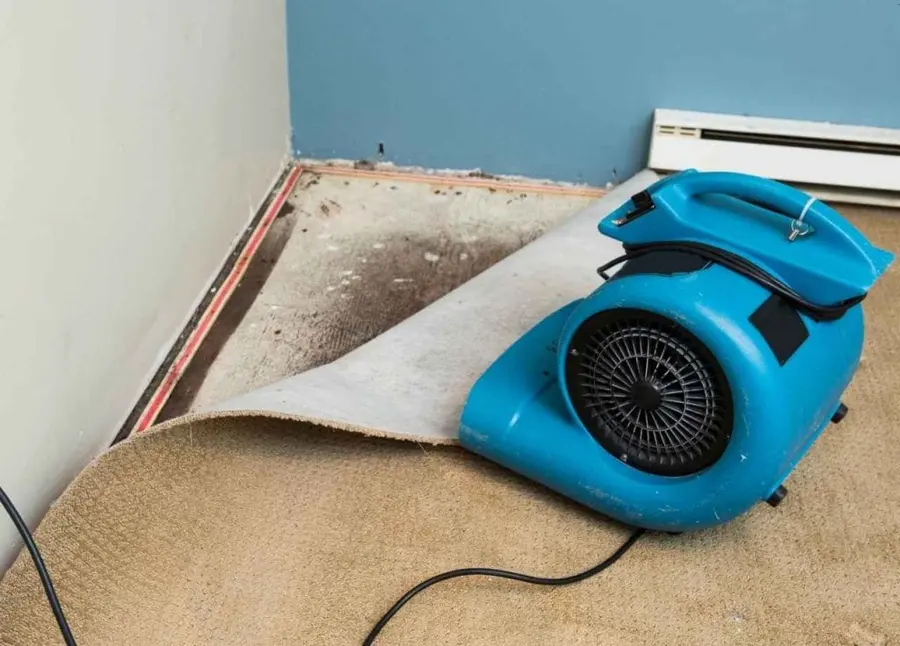
What to do while the water is still moving in Aliso Viejo
- 1
Close the main shutoff
Most houses have a main shutoff on an outside wall or in the garage, and the meter box at the curb has one too. In a condo, the shutoff can be inside the unit or controlled by the HOA.
- 2
Cut power to wet rooms
If water is near outlets, a ceiling light or the water heater, switch those circuits off at the panel, but only from a dry spot.
- 3
Tell the neighbors and the HOA
If you share walls or floors, knock on the unit below or next door. Water often reaches them before you see it, and the HOA may need to close a shared valve.
- 4
Photograph before you move things
Take wide shots and close-ups of the water, the source and anything damaged. Insurers want to see the loss before cleanup changes it.
- 5
Lift what can be lifted
Move rugs, electronics and paper off wet floors and set furniture legs on foil or blocks. Leave wet drywall and flooring for the crew.
Water Damage Restoration Services in Aliso Viejo, CA
Water and sewage are the whole job. Each service starts with a moisture map and ends when the readings prove the structure is dry.
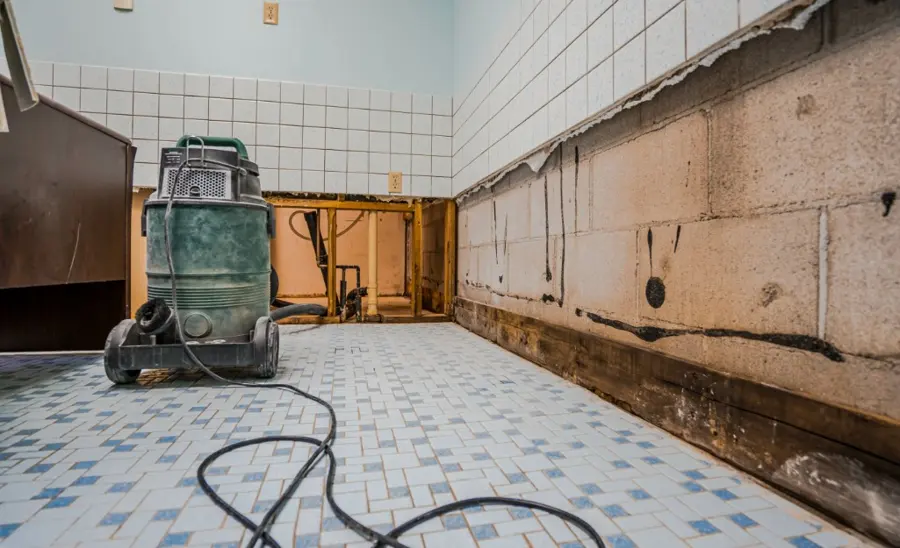
Water Extraction and Removal
Standing water comes out first, with truck-mounted and portable units matched to the room and the floor type.
How water extraction and removal works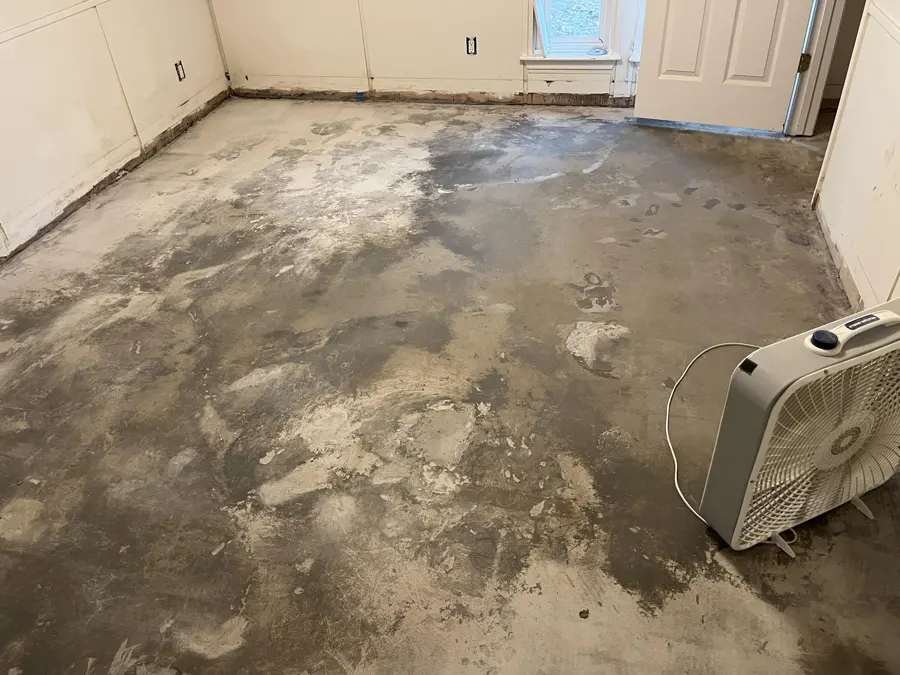
Slab Leak Water Damage
Leaks in copper pipe under the concrete, traced with a thermal camera so only wet flooring comes up.
How slab leak water damage works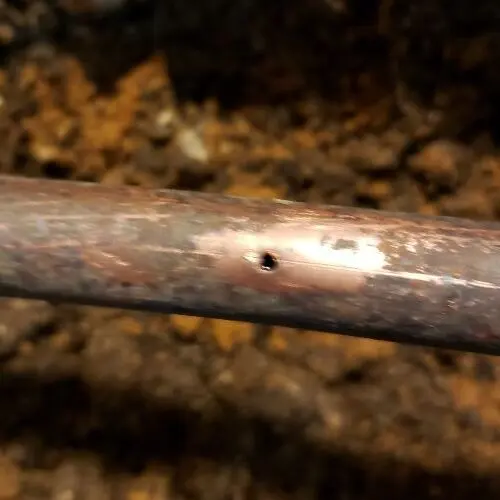
Pinhole Leak Water Damage
Slow drips from aging copper inside walls and ceilings, opened small and dried in place where readings allow.
How pinhole leak water damage works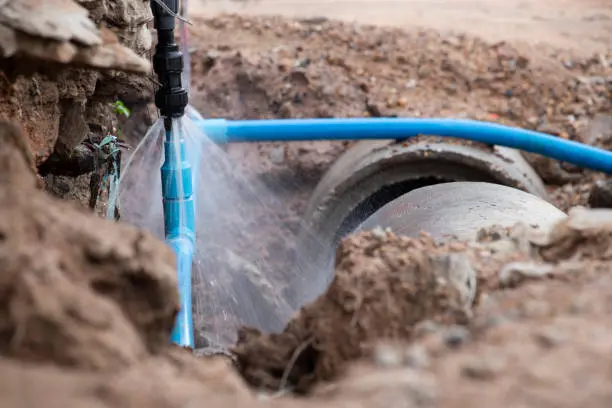
Burst Pipe Water Damage
Split supply hoses, cracked angle stops and failed fittings that flood a room fast, extracted and dried.
How burst pipe water damage works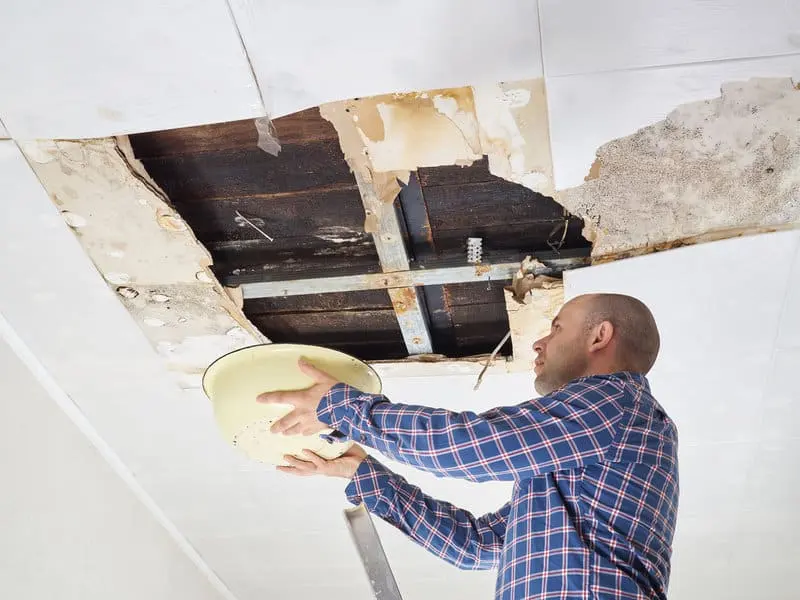
Condo and Townhome Water Damage
Leaks that cross from one unit into another, with a separate moisture map for each owner and the HOA.
How condo and townhome water damage works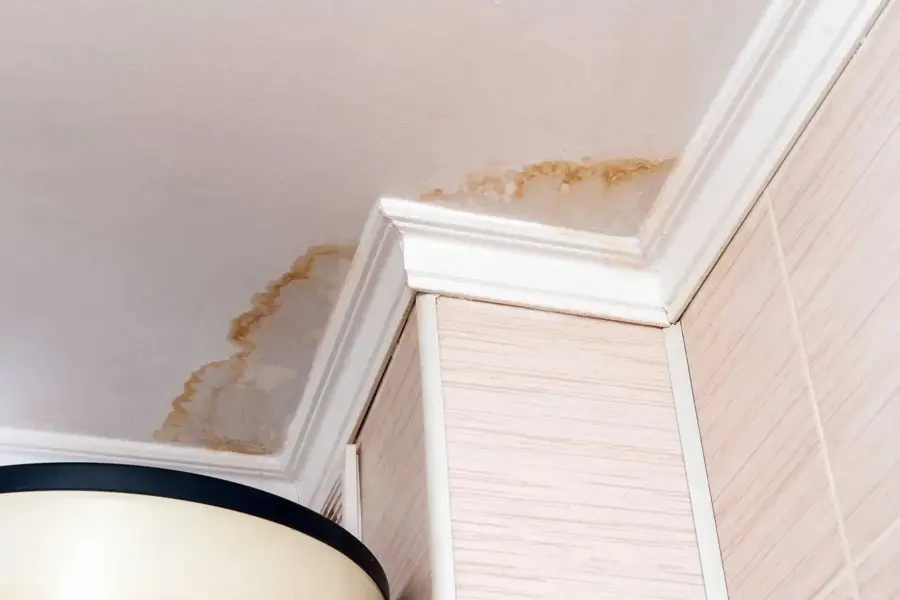
Ceiling Leak Water Damage
Stains under upstairs bathrooms traced to the tub, shower or toilet, with sagging drywall relieved safely.
How ceiling leak water damage works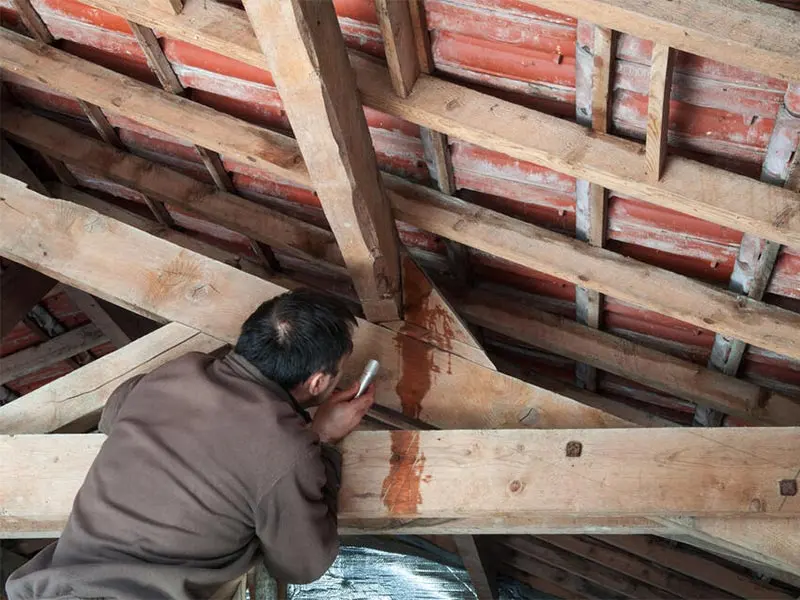
Roof Leak Water Damage
Winter storm water through cracked tile and tired underlayment, dried in the attic and the ceilings below.
How roof leak water damage works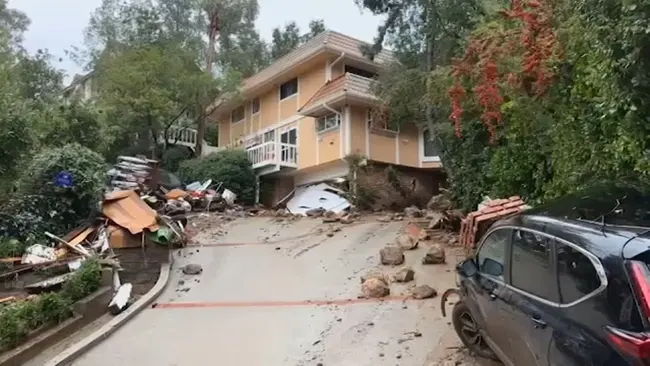
Storm and Flash Flood Cleanup
Runoff and mud pushed into garages and ground-floor rooms, removed as Category 3 water and dried out.
How storm and flash flood cleanup works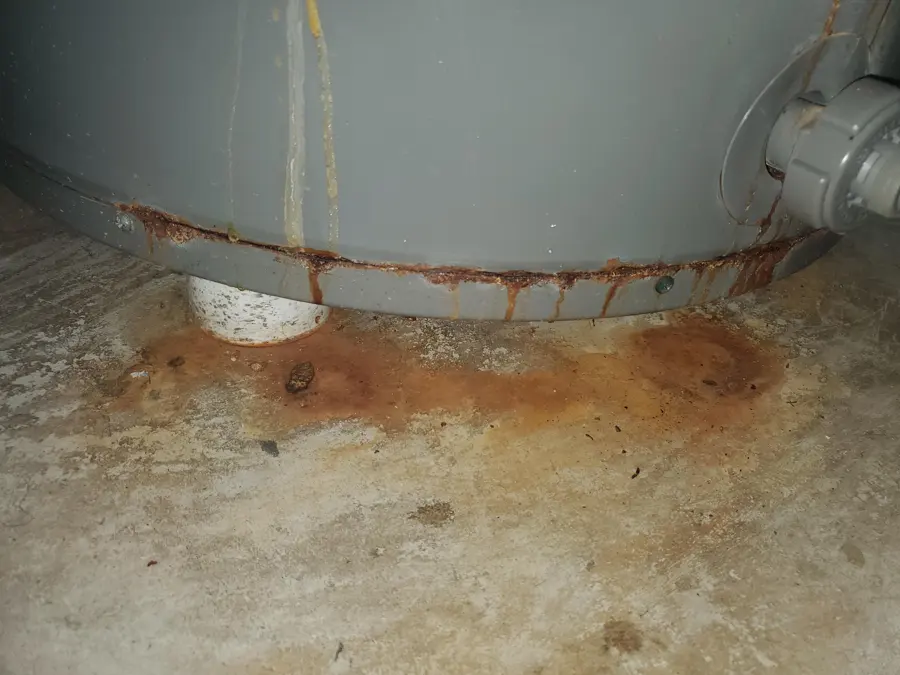
Water Heater Leak Cleanup
Garage and closet tank failures that dump 40 gallons or more, extracted and dried around the heater.
How water heater leak cleanup works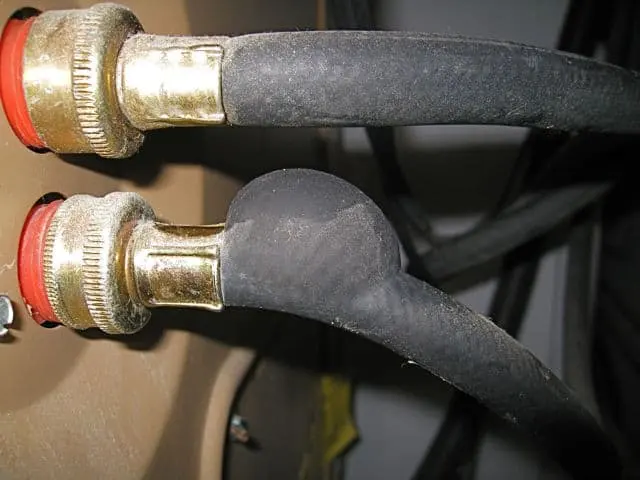
Appliance Leak Water Damage
Washer hoses, dishwasher connections and ice maker tubing leaking under cabinets and plank flooring.
How appliance leak water damage works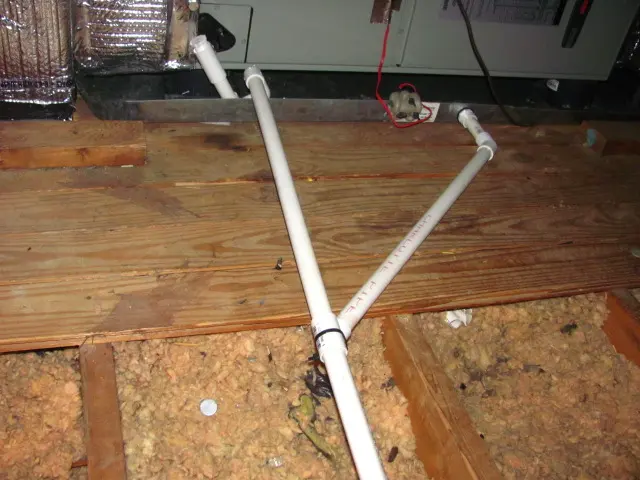
AC Condensate Leak Water Damage
Overflowing condensate pans under attic and closet air handlers, caught before the ceiling sags.
How AC condensate leak water damage works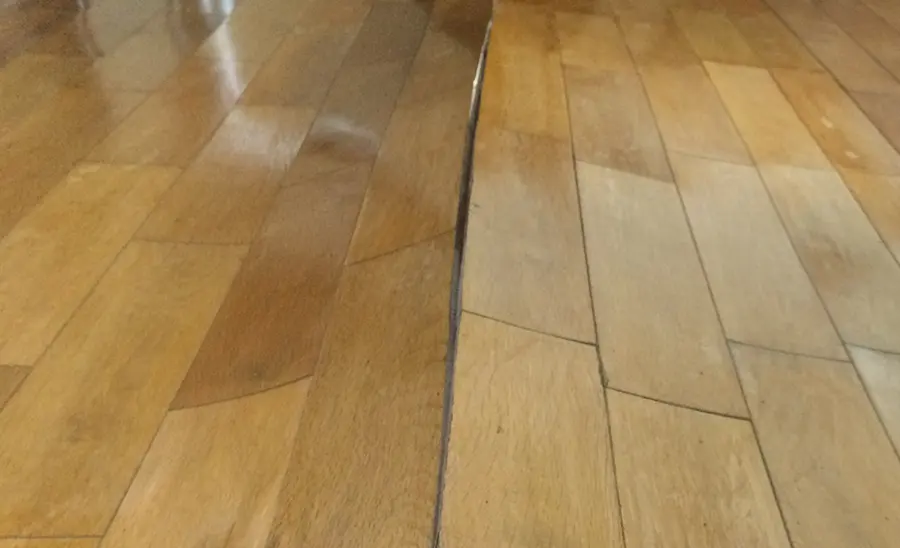
Hardwood Floor Water Damage
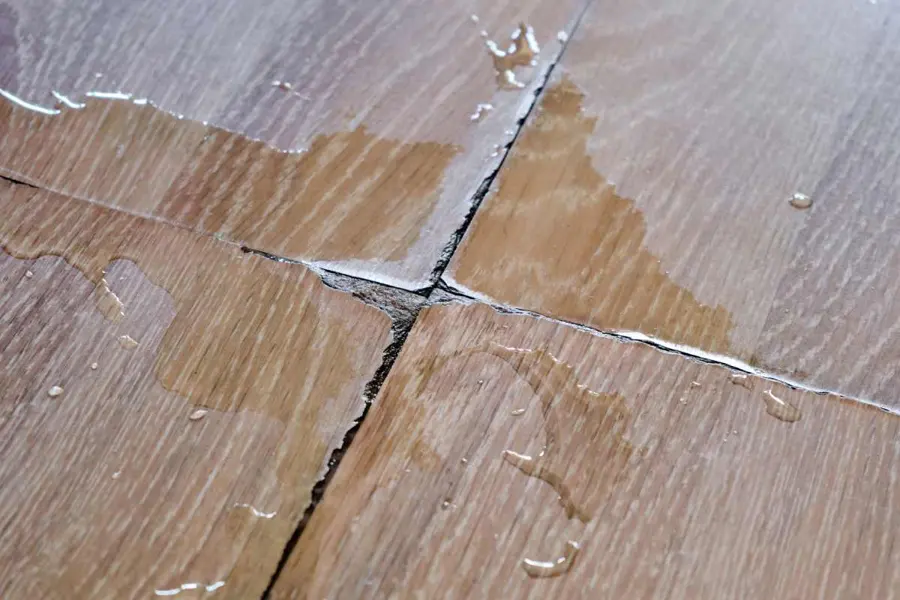
Cupping engineered and solid wood dried with floor mats and daily readings so boards can stay.
How hardwood floor water damage works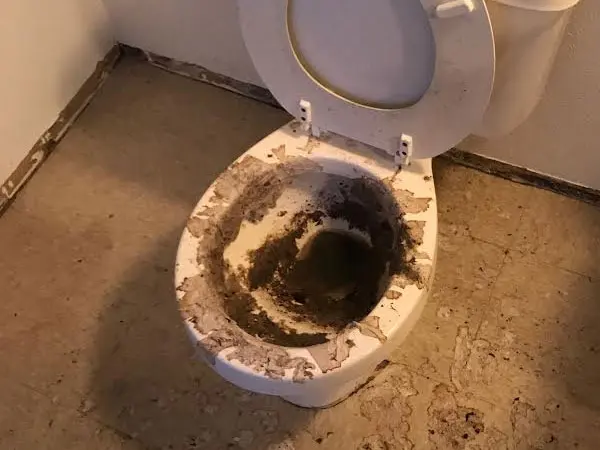
Sewage Backup Cleanup
Toilet, tub and drain backups handled as Category 3, with containment and an EPA-registered antimicrobial.
How sewage backup cleanup works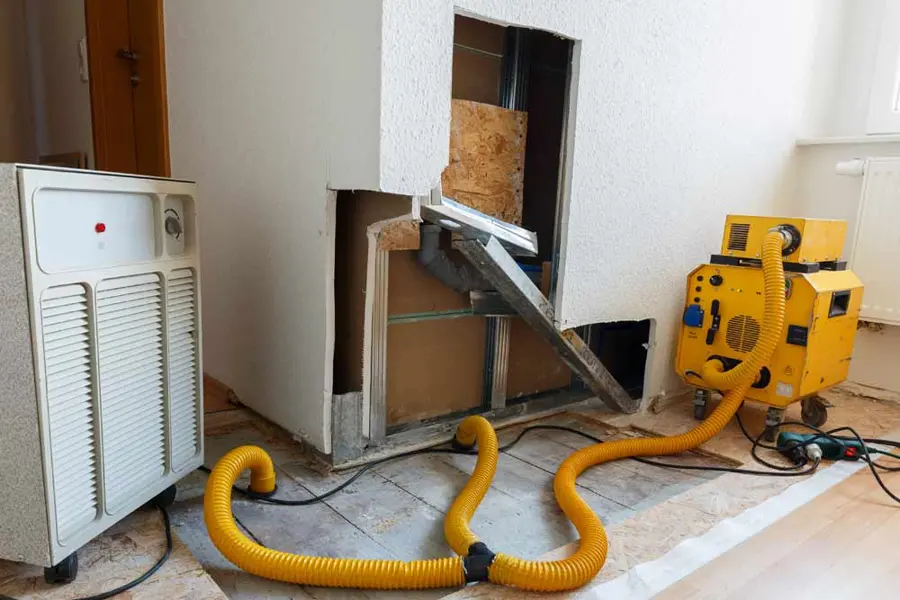
Structural Drying and Dehumidification
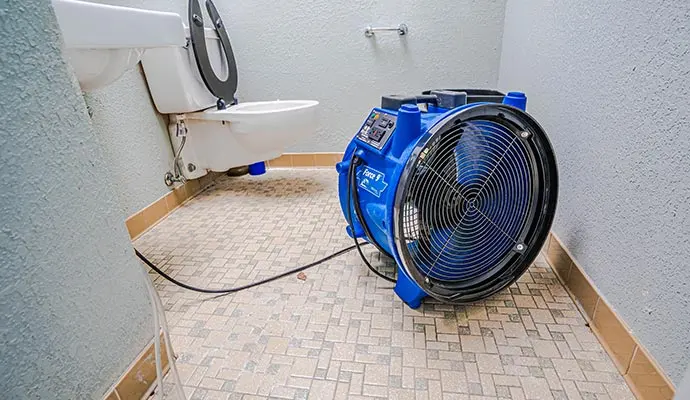
LGR and desiccant dehumidifiers, air movers and daily logs until materials match a dry reference.
How structural drying and dehumidification works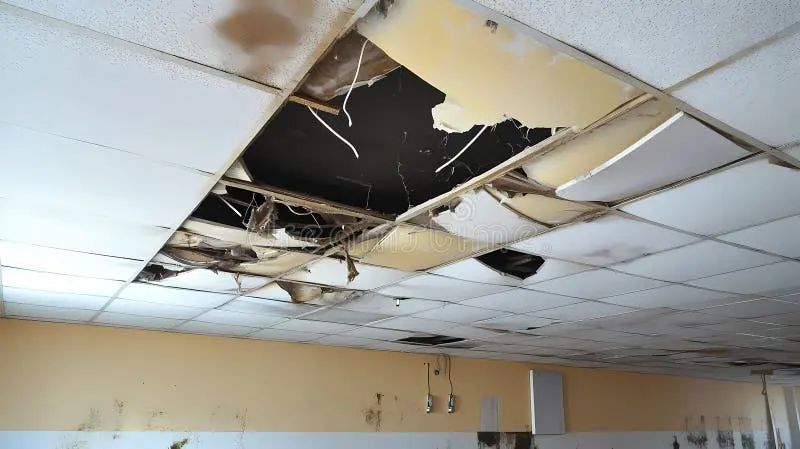
Commercial Water Damage
Pacific Park offices, shops and apartment buildings dried in phases, with records kept by suite.
How commercial water damage works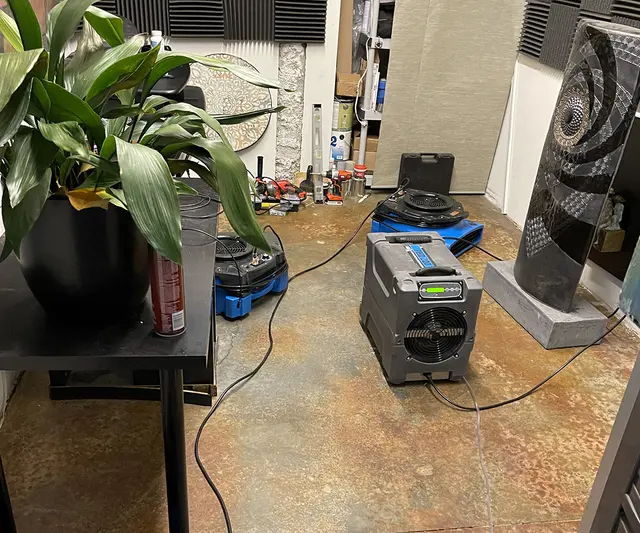
How a water loss is handled in Aliso Viejo
The response team works the same way on a condo ceiling, a slab leak or a flooded garage: find the source, map the moisture, remove what cannot be saved and dry the rest to a number, with records that hold up for the HOA and the insurer.
Rapid local response
Dispatch runs around the clock across Aliso Viejo, and active water is treated as urgent at any hour.
IICRC S500 drying standard
Structural drying, not surface drying, with equipment sized to the class of loss.
Claim-ready documentation
Moisture maps, daily psychrometric logs and timestamped photos before any demolition.
Local water know-how
Slab and pinhole leaks in aging copper, unit-to-unit leaks and hillside runoff are the usual losses here.
Water damage dried to the IICRC S500 standard
IICRC S500 is the industry drying standard. The drying team maps moisture first, sets equipment to the class of loss, takes readings every day and calls the job dry only when materials read within 2 to 4 points of a dry reference.
- 01
Find every wet material
Pinless meters and a thermal camera trace water under tile, inside walls and above ceilings, including the unit below.
- 02
Pull out standing water
Truck-mounted and portable extractors remove water from carpet, pad and slab, because extraction removes far more water than evaporation.
- 03
Set the drying system
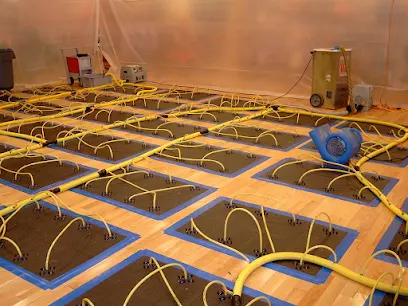
Air movers matched to each room's evaporation load, LGR dehumidifiers for most rooms and desiccants or floor mats for Class 4 materials.
- 04
Prove it is dry
Daily readings against a dry reference, logged on a psychrometric chart, decide when the equipment leaves.
What does water damage restoration cost in Aliso Viejo, CA?
Most Aliso Viejo water damage jobs fall between about $1,500 and $9,000. A small clean-water leak caught early sits near the low end; a slab leak under several rooms, a leak into the unit below or any Category 3 water pushes it higher.
Small clean-water leak
$1,200 to $3,500
- One or two rooms
- Category 1 water
- Three to four days of drying
Larger loss or a slab leak
$3,500 to $9,000
- Several rooms or under the slab
- Flooring lifted, walls opened
- Desiccant drying or floor mats
Category 3 or several units
$8,000 to $22,000
- Storm runoff or sewage
- Porous materials removed
- Containment and HEPA air scrubbers
These ranges are typical, never a quote. The Aliso Viejo cost calculator narrows it down: the water category, the wet square footage, the material class and how soon drying started matter most.
All water damage categories covered in Aliso Viejo, CA
Category 1: clean water
Supply pipes, slab leaks, water heaters and ice maker tubing. Caught early, it can usually be dried in place.
Water extraction in Aliso ViejoCategory 2: gray water
Washer and dishwasher discharge or a toilet overflow with no waste. The pad usually comes out and surfaces get an EPA-registered antimicrobial.
Appliance leak cleanupCategory 3: black water
Sewage backups and storm runoff that crossed soil and pavement. Porous materials it touched are removed, not dried.
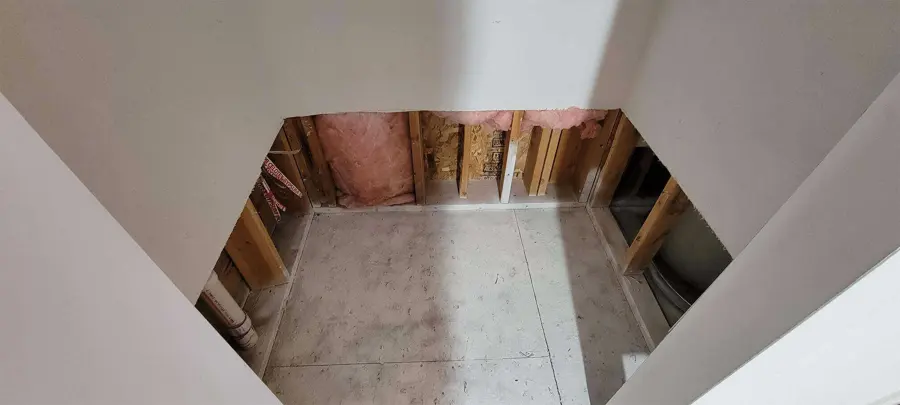
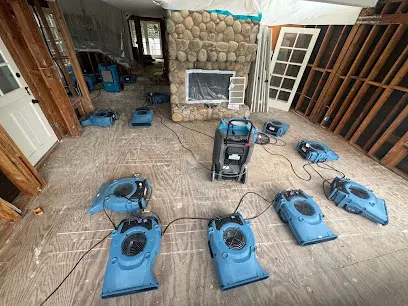
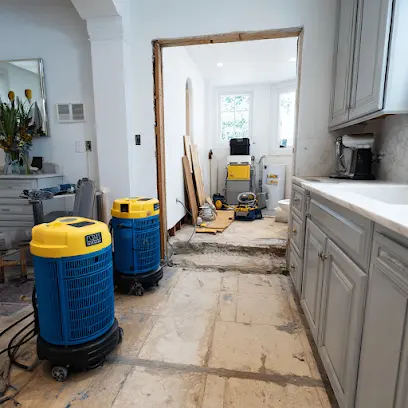
Sewage backup cleanupWhat a water damage dry-out looks like in Aliso Viejo
Documentation for your insurance claim
Adjusters pay for what the file proves. The restoration team builds the claim file from the first walkthrough, so the drying plan and the scope line up with what was actually wet.
- A moisture map of every affected room, wall and ceiling
- Daily psychrometric logs and moisture readings until the dry standard is met
- Timestamped photos taken before any demolition or removal
- The water category and class of loss, with the source noted
- A line-item scope, Xactimate-style, that matches the work done
Check your own policy
Most homeowner and condo (HO-6) policies treat sudden and accidental water, such as a burst supply hose, differently from flooding or a leak that ran for weeks. Flood coverage is a separate policy.
In a condo or townhome, the HOA master policy and the owner's policy can split the loss. Coverage depends on your policies and the CC&Rs, so check with your own insurer and the HOA.
Water damage restoration across Aliso Viejo and South Orange County
Aliso Viejo neighborhoods and corridors
ZIP codes
Nearby cities
Why water damage in Aliso Viejo looks the way it does
Aliso Viejo was built mostly in the 1980s and 1990s as a planned city on graded ridges between Aliso Creek and Wood Canyon. That housing era and that ground explain most of the losses here.

The 1998 El Nino rains brought the largest flood on record on Aliso Creek, which forms part of the city's boundary with Laguna Niguel. Winter storms still send fast runoff off the slopes.
- 1980s and 1990s plumbing. The first homes sold in March 1982, and much of the original copper is now at the age when it fails.
- Mostly attached homes. Only about a third of the homes are detached, so a leak in one townhome or condo often reaches the next.
- Copper on a slab. Copper supply pipe under slabs and inside walls is behind the slab leaks and pinhole leaks seen across the city.
- Attic air handlers. Condensate drains in attics and hall closets clog and overflow into the ceilings below.
- Storms, not freezes. Rain arrives in a few heavy winter storms and hard freezes are rare, so runoff, not frozen pipe, is the outdoor risk.
Water damage questions from Aliso Viejo homeowners
How fast can a restoration crew reach my Aliso Viejo home?
Crews are dispatched around the clock, and active water is treated as urgent at any hour, nights and holidays included. Timing depends on traffic and how many losses are open that day.
What should I do first when water is spreading?
Close the main shutoff or the fixture valve, switch off power to wet rooms from a dry spot, take photos and call. In a condo or townhome, tell the HOA and the neighbors who share walls or floors.
Will my insurance cover the water damage?
Sudden and accidental water, such as a burst supply hose, is often covered. Flooding from outside water needs a separate flood policy, and slow leaks are often treated differently. Coverage depends on your policy, so check with your own insurer.
Who pays when the leak came from the condo above?
That depends on the association's CC&Rs, the HOA master policy and each owner's HO-6 policy. The restoration team keeps a separate moisture map and photo log for each unit, which helps each insurer sort out its share. More on condo and townhome water damage.
Why are slab leaks and pinhole leaks so common here?
Most of Aliso Viejo was built in the 1980s and 1990s with copper supply pipe in slabs and walls. As that copper ages, pinhole leaks and slab leaks become more common. The hidden leak risk check scores the warning signs.
How long does it take to dry a house after water damage?
A contained Class 1 loss usually dries in three to five days. Hardwood, a wet slab, ceilings and Category 3 water take longer. The drying time estimator gives a typical window, and daily readings decide the real one.
What is the IICRC S500?
It is the industry standard for professional water damage restoration. It covers water categories, classes of loss, how drying is measured and when a structure counts as dry.
When does drywall have to come out?
When Category 3 water touched it, when it sags or crumbles, or when it will not dry to the reference reading. Clean water caught early often lets drywall stay, with the cavity dried behind it.
What is the difference between water mitigation and repair?
Mitigation stops the damage: extraction, removal of what cannot be saved and drying. Repair is the rebuild afterward, such as new drywall, paint and flooring. Mitigation comes first, and insurers usually look at the two separately.
How is the cost of water damage figured?
By the water category, the wet square footage, the class of loss, the materials involved and how many days the drying equipment runs. Each one shows up as a line item in the scope. The cost calculator shows a typical range.
Water damage in Aliso Viejo? Get the dry-out started.
From a pinhole leak inside a wall to a flooded ground floor, the restoration team extracts, dries to the IICRC S500 standard and keeps the claim records, around the clock.
Aliso Viejo, CA · Orange County · open 24/7