Water Damage Restoration Mission Viejo, CA
From the first visit to the final dry reading, a restoration team handles extraction, drying and cleanup in Mission Viejo houses, townhomes and condos, with every photo and reading kept for the insurance file.
(888) 450-9281Mission Viejo crews, nights and weekendsZIP codes 92691 and 92692, from Casta del Sol and Castille to Pacific Hills and Painted Trails.
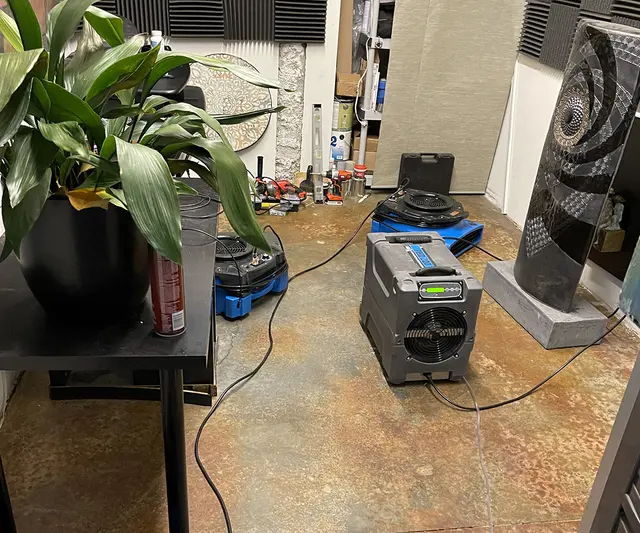
What to do first when water gets into a Mission Viejo home
- 1
Stop the water
Shut the shutoff valve at the fixture or the main, and cut power to wet rooms only when that is safe. Neighbors below or beside an attached home should hear about it quickly.
- 2
Photograph the damage
Take wide and close photos of wet floors, walls, ceilings and damaged belongings before anything is moved. The insurer asks for them, and they show how far the water spread.
- 3
Lift off small items
Boxes, rugs and cushions come off wet floors and go to a dry room. Heavy furniture stays put until the crew has taken moisture readings.
- 4
Notify the insurer or association
Report the loss to the insurer, and in a condo or townhome tell the association or property manager as well. Ask what the policy requires before any wet material is thrown out.
- 5
Call for extraction
A restoration team extracts the water, maps moisture and sets drying equipment. Sewage or floodwater stays untouched, and anyone with a health concern keeps out of the area.
Water Damage Restoration Services in Mission Viejo, CA
Each page covers one way water enters a Mission Viejo home, from a failed supply hose to a winter roof leak, plus sewage and storm cases.
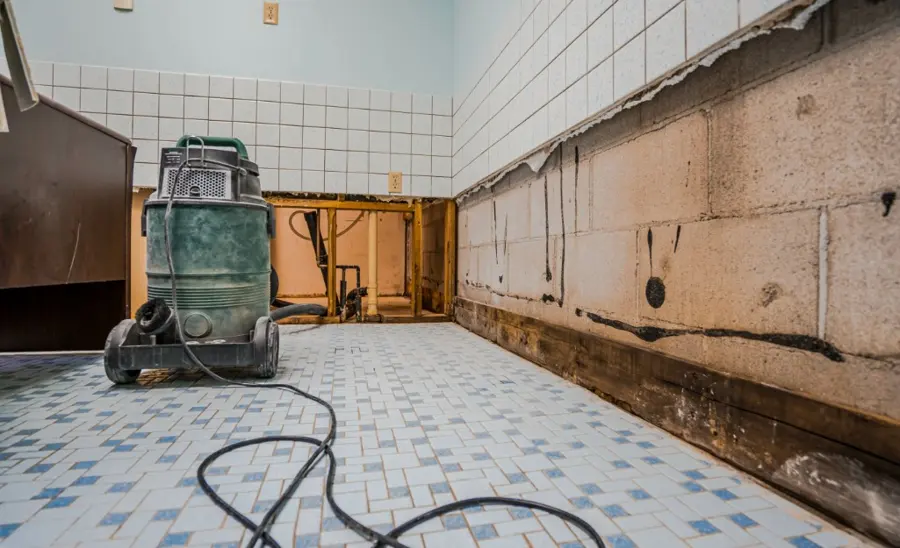
Water Extraction and Removal
Extractors lift standing water from carpet, tile and wood, then the crew follows it through shared floors.
How water extraction and removal works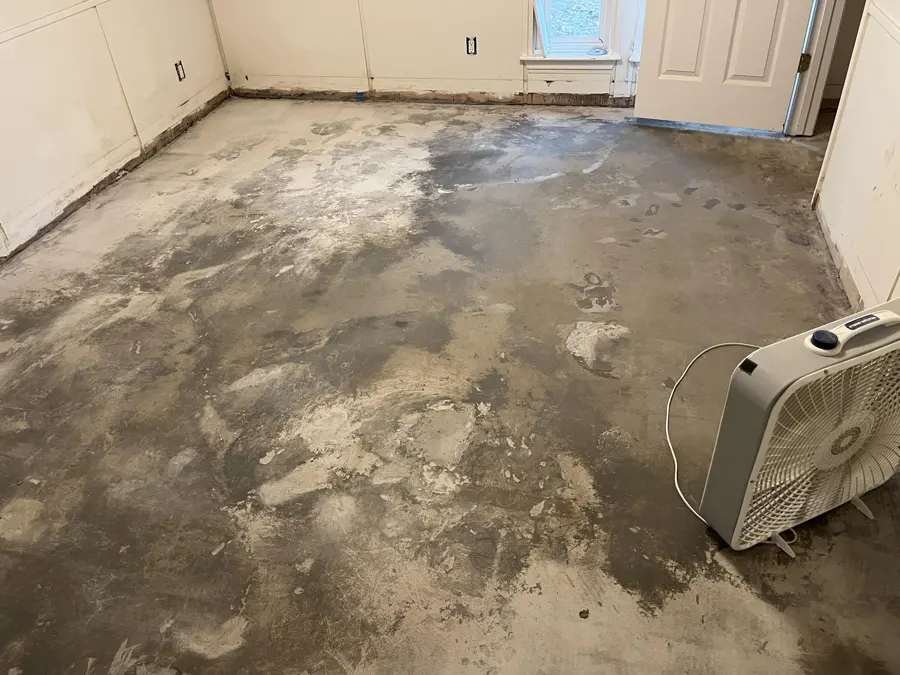
Slab Leak Water Damage
Damp flooring or a rising water bill can mean a leak under concrete, so the slab itself gets dried.
How slab leak water damage works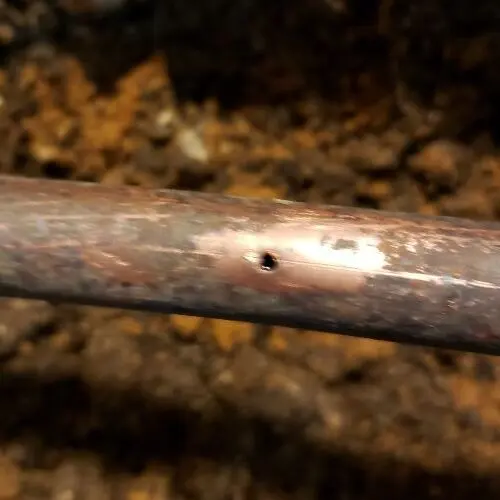
Pinhole Leak Water Damage
A tiny spray inside a wall can soak insulation before any stain appears, so the cavity is opened and dried.
How pinhole leak water damage works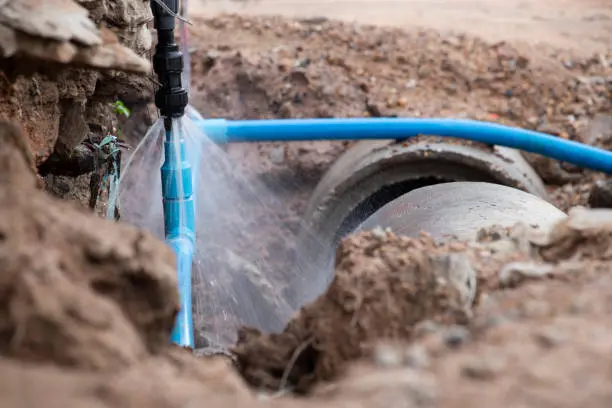
Burst Pipe Water Damage
A split supply pipe or failed fitting floods rooms quickly, and extraction begins once the valve is shut.
How burst pipe water damage works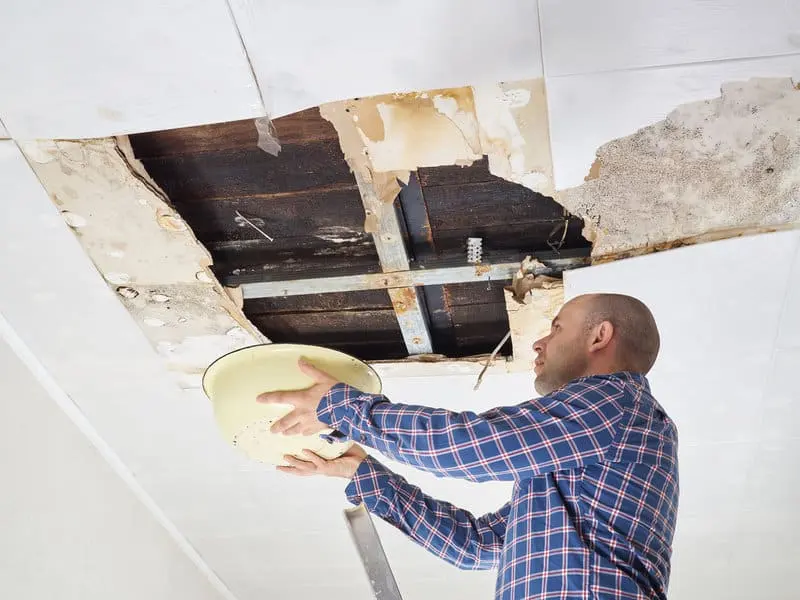
Condo and Townhome Water Damage
Leaks in attached homes travel down and sideways, pulling the unit below, the neighbor and the association into the job.
How condo and townhome water damage works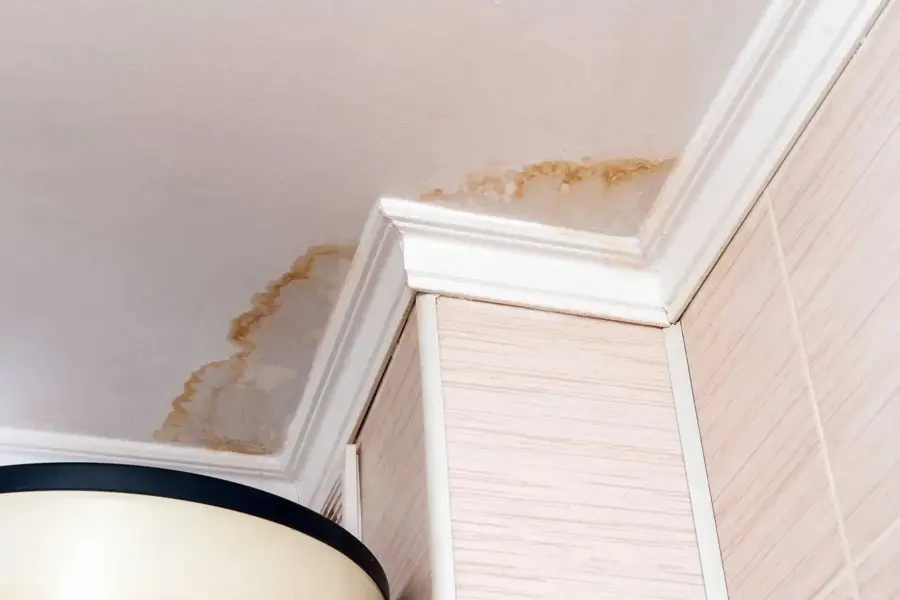
Ceiling Leak Water Damage
A stained or sagging ceiling often starts in the unit above; the drywall and joist bay are dried before repair.
How ceiling leak water damage works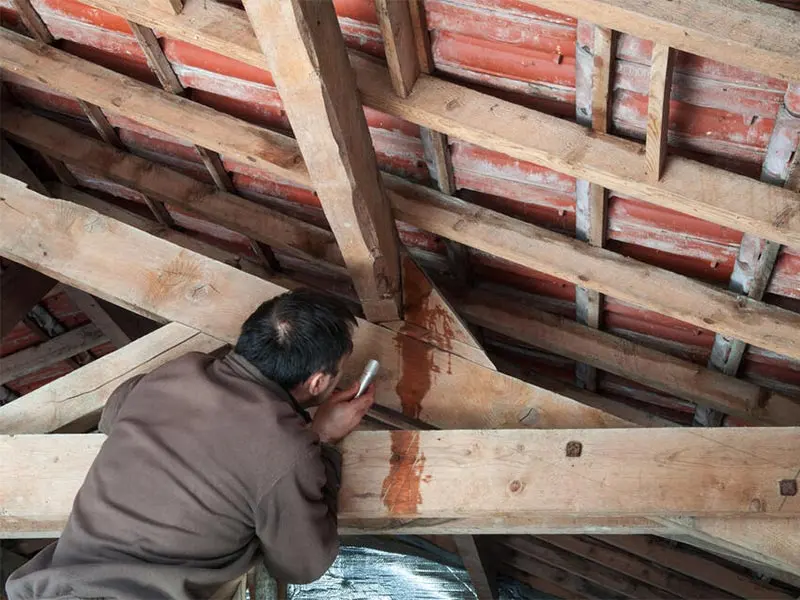
Roof Leak Water Damage
Winter storms push water into attic insulation and ceilings, which are dried while a roofer handles the repair.
How roof leak water damage works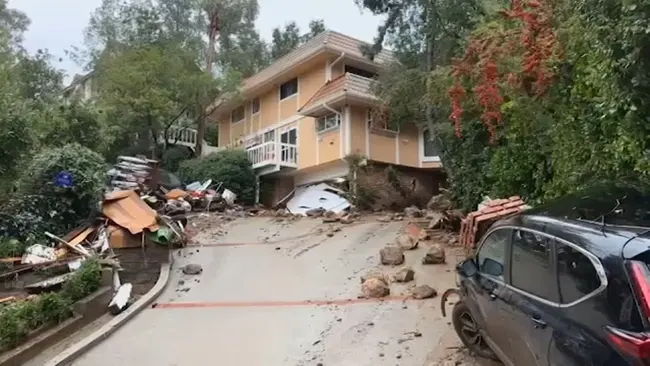
Storm and Flash Flood Cleanup
Ponding in garages and ground-floor rooms leaves mud and contaminated water that must be removed and cleaned.
How storm and flash flood cleanup works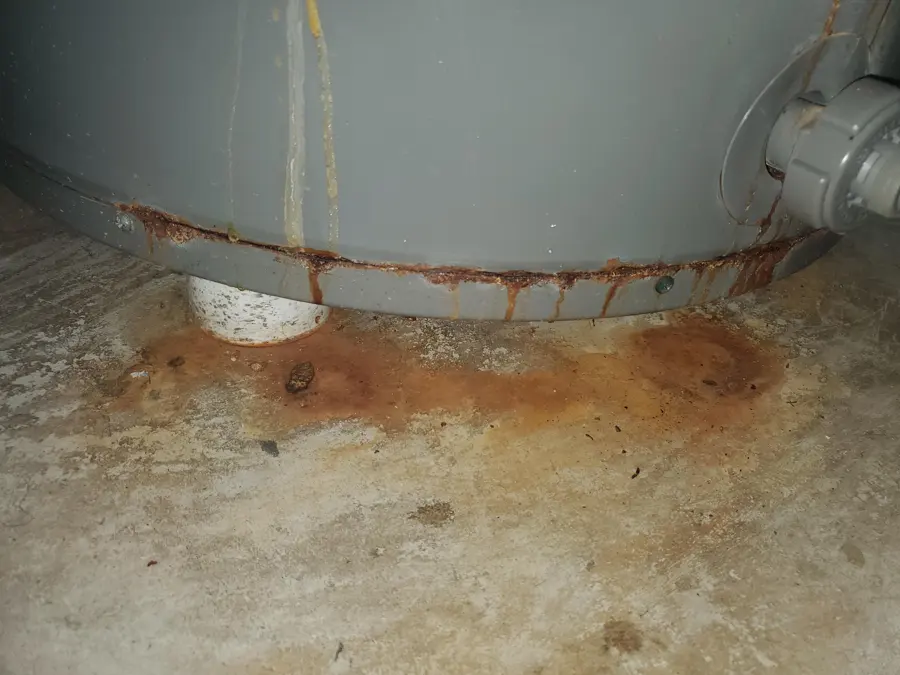
Water Heater Leak Cleanup
A leaking tank floods a garage floor or an upstairs closet, and the crew extracts, opens wet walls and dries.
How water heater leak cleanup works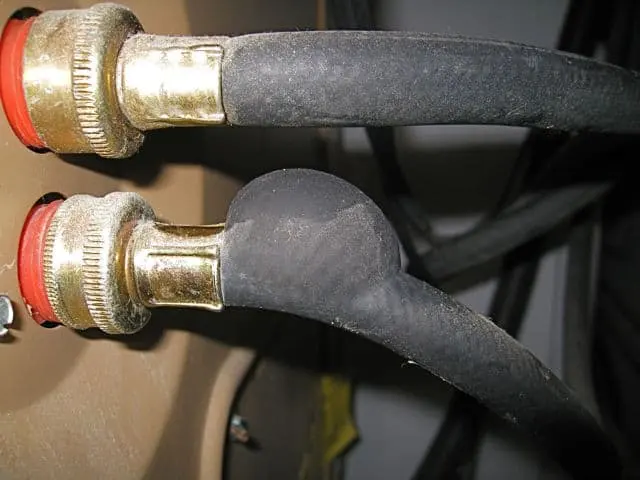
Appliance Leak Water Damage
Washer, dishwasher and refrigerator supply hoses fail behind appliances, and townhome leaks can reach the neighbors.
How appliance leak water damage works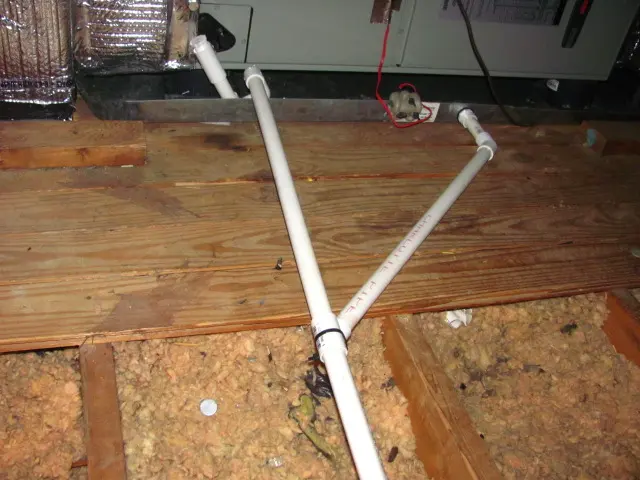
AC Condensate Leak Water Damage
A clogged condensate drain pipe overflows into an attic or closet, staining ceilings and wetting insulation.
How AC condensate leak water damage works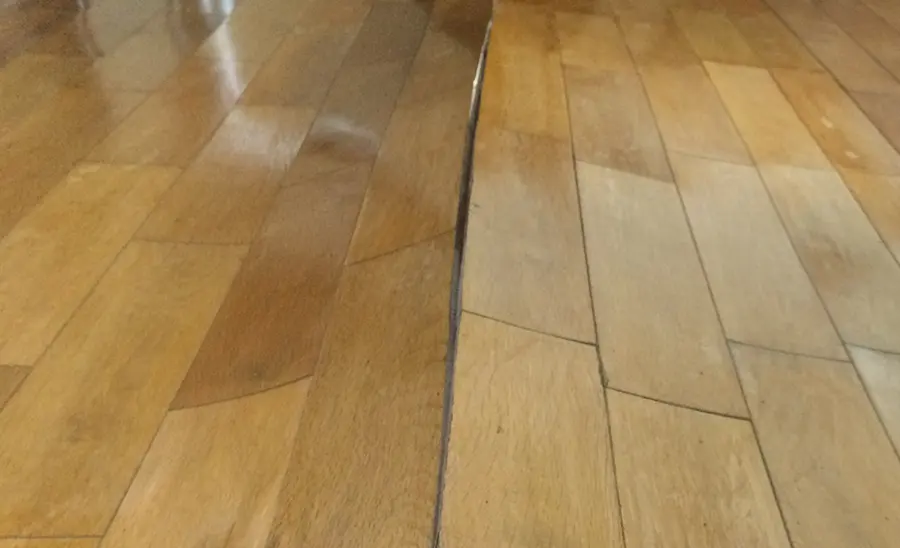
Hardwood Floor Water Damage
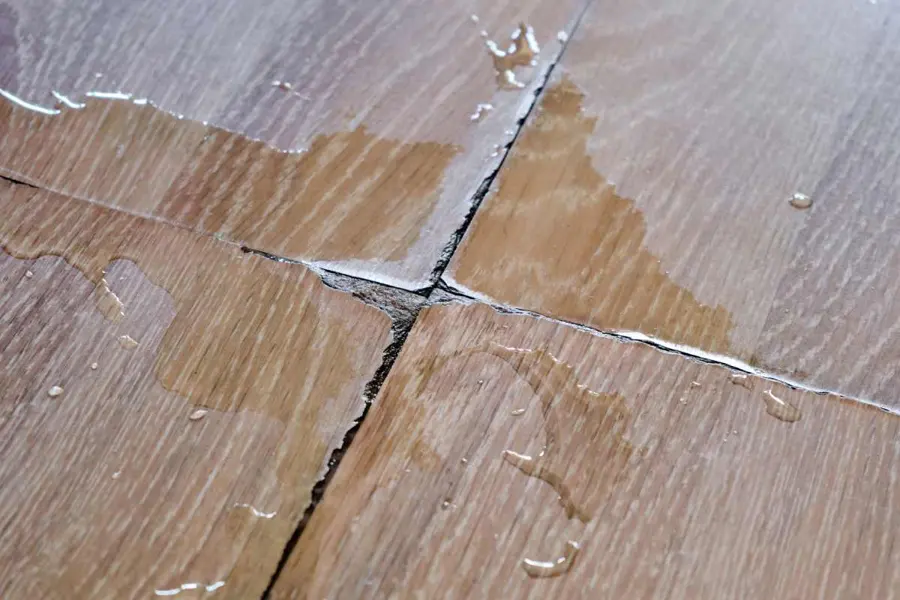
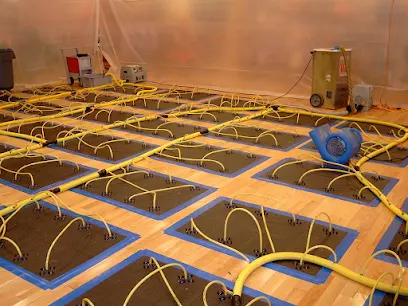
Wood floors that cup or buckle after a leak get drying mats and daily readings before any boards come up.
How hardwood floor water damage works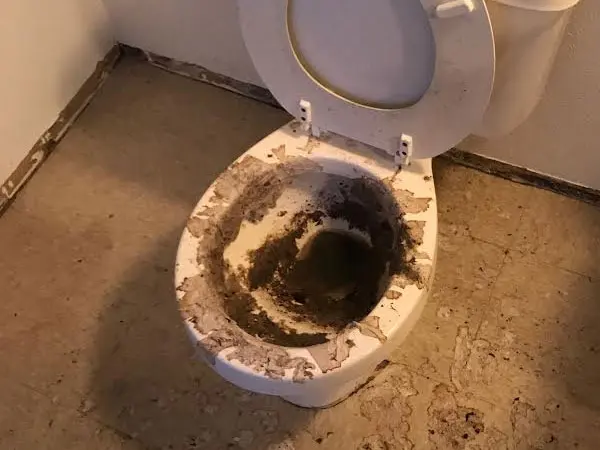
Sewage Backup Cleanup
Sewage backups call for containment, protective gear and removal of soaked carpet, pad and drywall.
How sewage backup cleanup works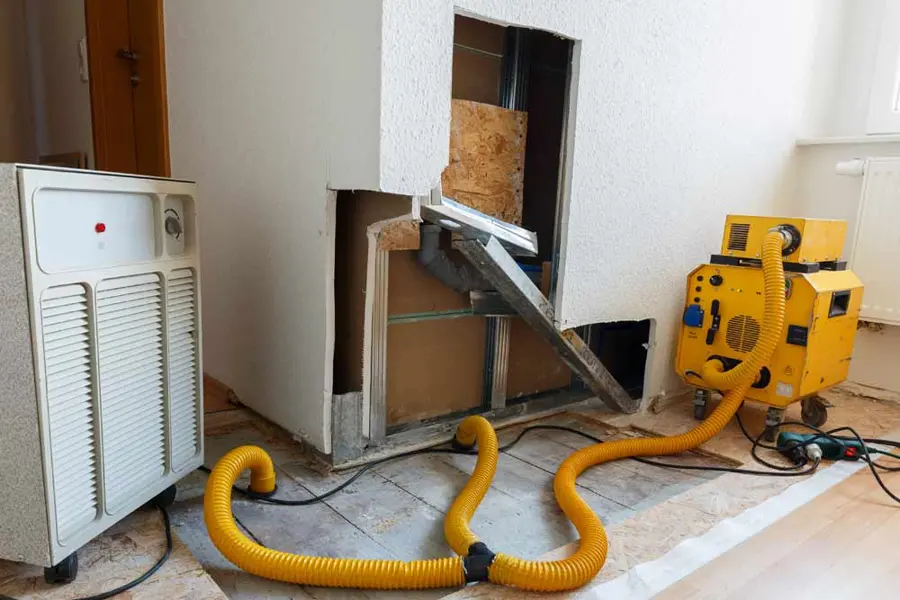
Structural Drying and Dehumidification
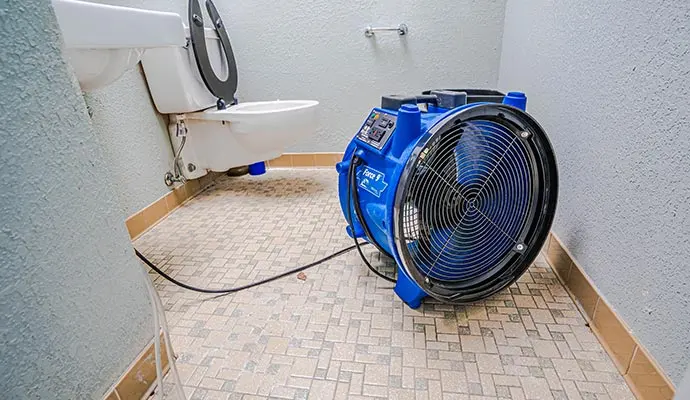
Air movers, dehumidifiers and daily readings dry framing, subfloors and shared walls until the meter hits the dry standard.
How structural drying and dehumidification works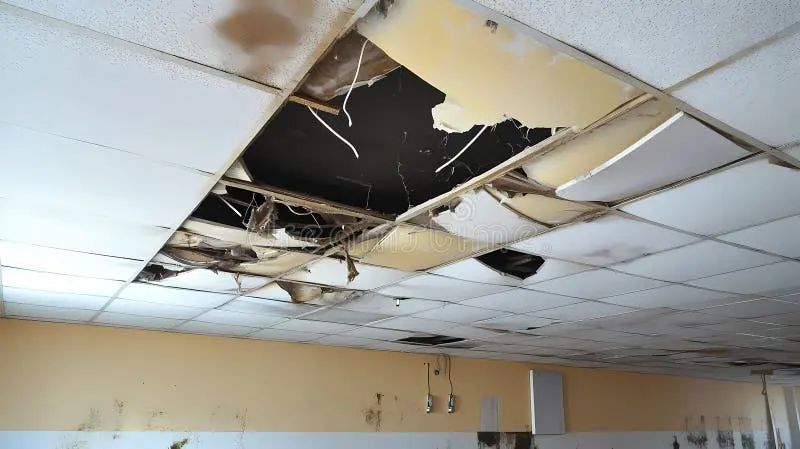
Commercial Water Damage
Offices, shops and medical suites get phased drying that keeps the rest of the building open.
How commercial water damage works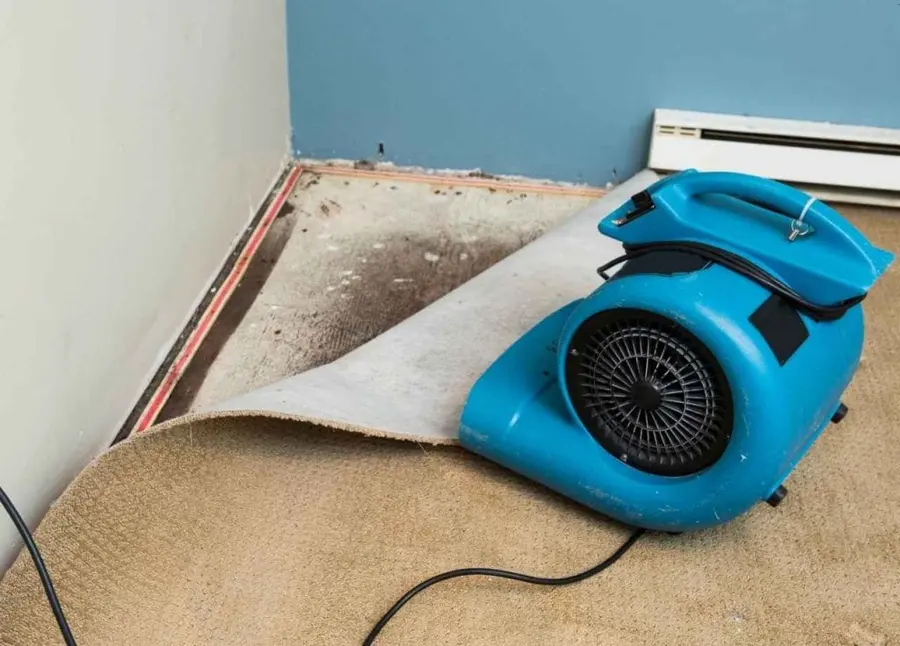
How the Mission Viejo restoration crew handles a water loss
The crew starts from the loss itself: where the water came from, which materials are wet and what the policy will ask for later. Mission Viejo's mix of detached houses and attached units shapes how far the drying has to reach.
Rapid local response
Crews plan each job around Mission Viejo's neighborhoods and corridors; the first visit scopes the loss and starts extraction.
IICRC S500 drying standard
Equipment is placed from moisture readings, and drying stops only when each material reaches its target.
Claim-ready documentation
Photos, moisture logs and equipment records are organized so an adjuster can follow the job.
Mission Viejo water know-how
Shared walls, homes built mostly from 1960 to 1999 and October to April storms shape what gets checked first.
IICRC S500 drying standard for Mission Viejo homes
The order of the work stays the same: find the water, extract it, set equipment, then check readings each visit. Equipment comes out only when wall, floor and ceiling readings match the dry standard set at the start.
- 01
Map the wet area
A moisture meter and thermal camera follow the water through floors, walls and ceilings, so equipment covers the real footprint rather than the visible stain.
- 02
Remove standing water
Extractors take the bulk of the water first, since air movers alone cannot dry a soaked pad or a flooded floor.
- 03
Set the drying gear
Air movers, LGR dehumidifiers or desiccant units are sized to room volume and material, then repositioned as readings change.
- 04
Confirm the dry point
Daily readings continue until each material reaches its target, and the final numbers go into the file.
What does water damage restoration cost in Mission Viejo, CA?
Most Mission Viejo jobs run between $1,000 and $22,000. A clean-water leak caught early sits near the bottom, while sewage, long-standing water, several rooms and opened walls or ceilings push toward the top, and every extra day of drying adds equipment time.
One room, clean supply water
$1,000 to $3,000
- Standing water extracted
- Air movers and dehumidifier
- Moisture readings every visit
Several rooms or opened walls
$3,000 to $9,000
- Wet pad and baseboards removed
- Wall cavities dried in place
- Photos and readings for the claim
Whole level, sewage or long-standing water
$9,000 to $22,000
- Flooring and drywall removed
- Containment and air scrubbers
- Extended drying and monitoring
These ranges are typical, not a quote, since rooms, materials and water type change the scope. The cost calculator and drying time estimator help narrow a Mission Viejo estimate down.
All water damage categories covered in Mission Viejo, CA
Category 1: clean supply water
A burst supply pipe or overflowing sink releases clean water, and quick extraction keeps it from worsening as materials stay wet.
Water extraction helpCategory 2: used water
Washer or dishwasher discharge carries some contamination, so pad is usually discarded, hard surfaces are cleaned and the water type goes into the record.
Appliance leak helpCategory 3: sewage and floodwater
Sewage, rising storm water and long-standing water carry pathogens. The work uses containment and protective gear, and porous materials are removed rather than dried.
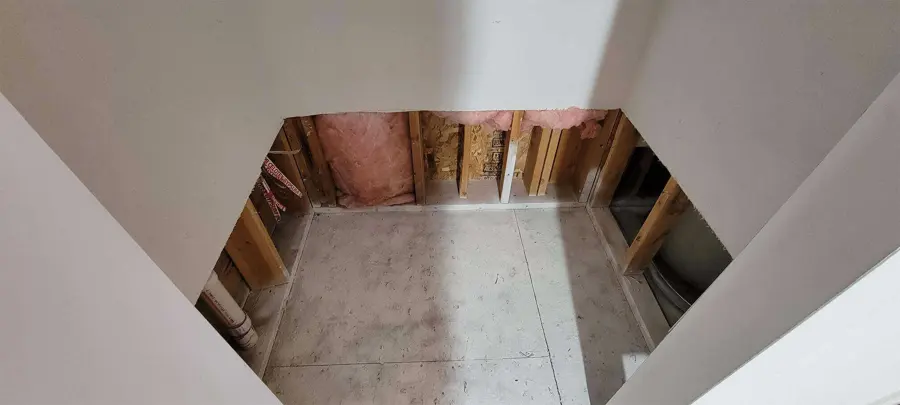
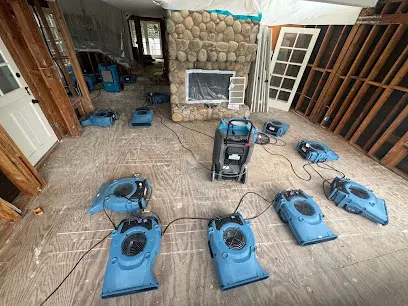
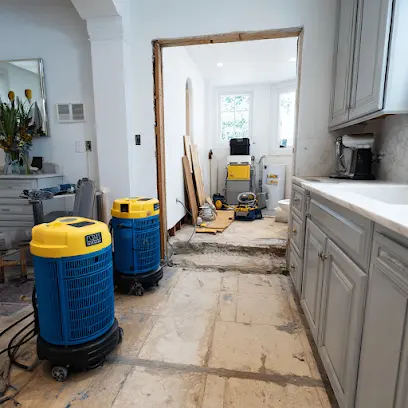
Sewage backup helpWhat a water damage dry-out looks like in Mission Viejo
Records that support an insurance claim
A claim file works best when it is complete, so the restoration team records the source, the affected materials and the daily drying numbers from the first visit.
- Dated photos of every wet room, taken before drying starts and again at the end
- A written cause of loss that names where the water started
- Moisture readings from every visit, by room and material
- Equipment lists with start and stop dates
- Notes on every material removed and the reason
What the policy may cover
Sudden pipe, hose and appliance leaks are often covered, while gradual seepage and flood damage are commonly excluded. Wording and deductibles differ by policy and by association master policy, so reading the actual policy matters.
This is a general note, not coverage advice. Check with the insurer that issued the policy, and in a condo or townhome with the association, about what is paid before work is approved.
Water damage restoration across Mission Viejo, CA
Neighborhoods and corridors covered
Water damage in Mission Viejo, CA: the local risk profile
Mission Viejo sits in the Saddleback Valley of southern Orange County, and the 2020 Census counted 93,653 residents. About 94.2 percent of the city's homes were built from 1960 to 1999.

A stationary storm band brought the heaviest rain in 70 years to parts of Orange County, with 4 to 8 inches widely and as much as 10 inches in Mission Viejo.
- Housing age. About 39.4 percent of homes date from 1970 to 1979 and 27.1 percent from 1980 to 1989, so valves and hoses carry years of wear.
- Shared walls. About 29 percent of units, 10,107 of 34,959, are attached or multifamily, so one leak can reach the unit below or beside.
- Creeks and canyons. Oso Creek crosses the central city, and FEMA maps the vast majority of the city as Zone X, with 100-year zones mostly at canyon and hill bases.
- Winter rain. Heavy rain comes between October and April, and the hilly terrain keeps flood zones focused in particular places.
- Separate districts. Four water districts serve the city, and sewer service comes from separate districts, so the district for an address is confirmed, not assumed.
Mission Viejo water damage questions
How much does water damage cleanup cost in Mission Viejo?
Typical jobs run from $1,000 to $22,000. The spread comes from the water type, the number of rooms and how much drywall or flooring has to come out, with sewage and long-standing water at the top.
How long does drying usually take?
Clean-water jobs often finish drying in three to four days, while wood, plaster and thick framing take longer. Daily moisture readings decide when equipment leaves, not a calendar date. The drying time estimator gives a rough window.
What happens when a leak starts in the unit above?
Water in a townhome or condo passes through ceilings, walls and floors to the unit below or beside. Each unit gets its own scope, and the association or property manager is usually told early.
Can a garage or ground floor flood in a storm?
Floodwater in the mapped zones is expected to stay under about one foot, and ponding on parking lots, lawns and roads is the common pattern. Even shallow water can soak a garage floor and the bottom of drywall.
Is storm runoff treated differently from a pipe leak?
Runoff carries mud and bacteria, so it counts as Category 3 water. The work adds protective gear, hard surface cleaning and removal of porous materials, which a clean pipe leak rarely needs.
What should happen when sewage comes up a drain?
The area stays closed to family members and pets because sewage is Category 3 water. A restoration crew contains the room, removes soaked porous materials and treats hard surfaces.
Can wet carpet and wood floors be saved?
Often, when the water is clean and drying starts early. Pad is usually replaced, while carpet and hardwood can sometimes be dried in place with mats, depending on readings and how long they stayed wet.
Why can a hidden leak do damage before a stain shows?
Water spreads through wall cavities, insulation and flooring layers before a stain reaches the surface. A rising water bill or a soft baseboard can be the first sign, and the hidden leak risk check helps sort the possibilities.
What records help with an insurance claim?
Photos taken before cleanup, notes on what was removed, daily moisture numbers and equipment dates make up the file an adjuster works from. The restoration team keeps them together from the first visit.
Does storm runoff fall under flood insurance?
Rising surface water is usually treated as flood, which standard homeowner policies commonly exclude. FEMA data from 2022 show 90 National Flood Insurance Program policies in Mission Viejo, so the policy itself should be checked.
Wet Mission Viejo floors and walls dry best when work starts early
Standing water, wet drywall and soaked pad do more harm each day they stay in place. One call puts extraction, drying and cleanup in motion across Mission Viejo's neighborhoods and both ZIP codes.
Aliso Viejo, CA · Orange County · open 24/7