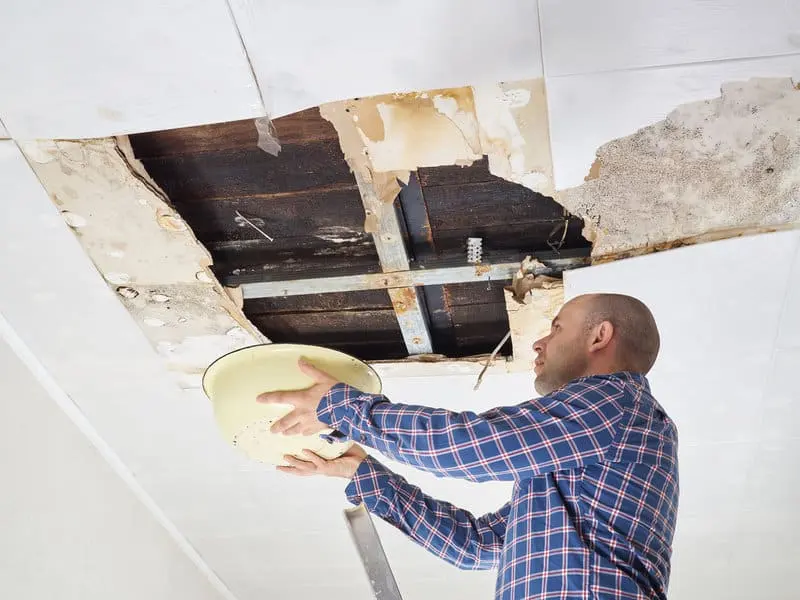
Only about a third of Aliso Viejo homes are single-family detached houses, 34.9 percent in SCAG 2021 housing data. The rest are townhomes, condos and apartments with shared walls, stacked units and a homeowners association, so a leak seldom stays in the home where it starts.
Key takeaways
- Ask the upstairs neighbor or the property manager to shut off the water right away, then close any shutoff that serves the home where the water is coming through.
- Stay out from under a sagging or bulging ceiling, because water trapped above can drop all at once.
- Tell the HOA or property manager in writing, with photos, and say whether the water looks clear, stained or foul.
- The source decides the water category. Clean supply water starts as Category 1, while a toilet or drain leak can be Category 2 or Category 3.
- Drying usually covers the ceiling cavity and walls below plus the fixture area above, so both homes need access and their own readings.
Why a leak in a stacked Aliso Viejo home rarely stays put
The city grew as a master-planned community, and about two homes in three share walls, floors or ceilings with a neighbor. A shower pan, a dishwasher hose or a water heater in the unit above can wet a ceiling, a wall and a closet below before anyone upstairs notices.
Water follows gravity and the easiest gap. It travels along joists, down pipe chases and around light fixtures, and it can appear in a room far from the source.
That is why the first stain on a ceiling is rarely the whole story. A condo or townhome leak is often wetter in the cavity than it looks from below.
First moves when water comes through the ceiling
These first moves limit the damage while the source is found. They do not replace opening the ceiling, which belongs to a drying crew.
- Stop the source: ask the upstairs neighbor or the property manager to shut off the supply to the fixture or to the whole unit.
- Protect the room: move furniture, rugs and electronics away from the wet area and set a bucket under any drip.
- Mind the ceiling: stay out from under a sagging or bulging section, because water trapped above can drop all at once.
- Cut the power: if water reaches a light fixture, outlet or ceiling fan, switch off that circuit at the panel from a dry spot.
- Photograph: take wide and close pictures of the stain, the drip and any damaged belongings before anything is moved.
Who needs to hear about it
The upstairs neighbor or owner
The household above may not know a hose or a pan has failed. A knock on the door, plus a text with photos, gets the water stopped sooner than a letter.
The HOA or property manager
Associations and managers often control shared shutoffs, common walls and building exteriors. A written notice with the date, the photos and the location of the stain creates a record that both homes can use.
Renters and landlords
A renter reports the leak to the landlord or manager and keeps photos of every belonging that got wet. The landlord or manager arranges repairs to the unit itself.
Insurers
Each household can notify its own insurer. The photos, the readings and the drying log become the start of that file.
What the first message to the manager should say
A short, specific message gets a faster reaction than a long story. Five details cover what a manager or association needs to act.
- Where: the unit, the room and the spot on the ceiling or wall.
- When: the date and time the water was first noticed.
- What: whether the water looks clear, stained or foul, and how fast it is coming.
- Photos: two or three pictures attached to the message.
- Asks: who holds the shutoff, who sends maintenance and how a crew will reach the unit above.
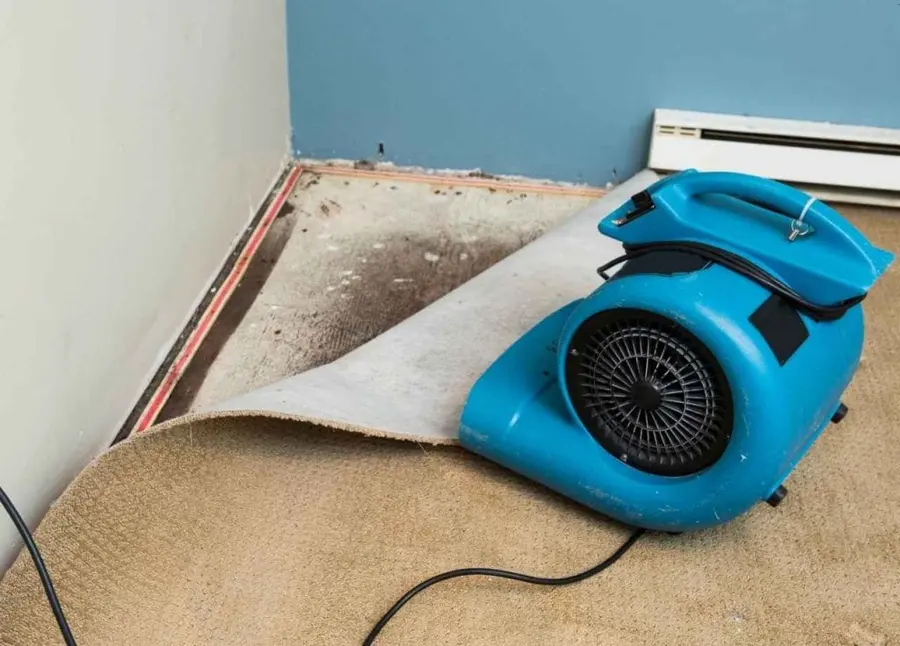
How drying works across two homes
The source decides the water category. Clean supply water starts as Category 1, while a toilet, shower pan or drain leak can carry Category 2 or Category 3 water, and clean water that sits for days can degrade.
With the cause known, the restoration team begins with water extraction where water stands, then maps the wet area in both homes with a moisture meter.
In the home with the stain
Ceiling drywall is opened where it is wet and soaked insulation comes out. Air movers dry the cavity, and the walls, cabinets and flooring below are checked for moisture that traveled down.
In the home where the leak began
The plumber repairs the failed fitting, hose or pan. The drying team then dries the subfloor, the cabinet bases and the wall behind the fixture.
One record for each home
Each home gets its own photos, its own readings and its own written scope. Structural drying is finished when every material reads dry, home by home.
Records that keep neighbors and associations on the same page
A shared file stops the argument about what was damaged and when. It also lets each insurer see the same facts.
- Dated photos: both homes, wide and close, starting on the first day.
- Moisture readings: a log for every room that was wet.
- Notices: the date, time and name for each message sent to the neighbor, the manager or the association.
- Scopes: a written list of the work planned in each home.
- Receipts: emergency supplies and storage for belongings, kept together.
Mistakes that make a shared-wall leak worse
Most of these come from one instinct: fix the visible stain first. A ceiling leak that looks small from below usually has its real drying work in the cavity behind it.
- Waiting for the association to act while the water keeps running.
- Painting over a stain before the cavity behind it is dry.
- Poking at a bulging ceiling without a plan for the water above it.
- Pointing a space heater at a wet wall, which can dry the surface and leave the cavity wet.
- Assuming a ceiling stain is a roof leak without asking the unit above about its fixtures.
Questions
Who is responsible for a leak that starts in the unit above?
That depends on the source of the leak and on the association's governing documents. The first steps are the same either way: stop the water, document the damage and give the association or property manager written notice.
Should a sagging ceiling be punctured?
That is best left to the restoration team. A sagging ceiling can hold a lot of water and may drop with it, and the team can cut power and release the water in a controlled way.
Can drywall that got wet from the unit above be saved?
Drywall that took a brief soaking from clean water can sometimes be dried in place. Board that stayed wet for days, or that took water from a toilet or drain, is usually removed.
How long does drying take in a condo?
A typical dry-out runs several days. The equipment stays until moisture readings match a dry reference, and shared walls can add steps because both homes need to reach that point.
What if the neighbor upstairs is not home?
Contact the property manager or the association right away, since they often can reach maintenance and may control a shared shutoff. A message to the neighbor with photos should follow.