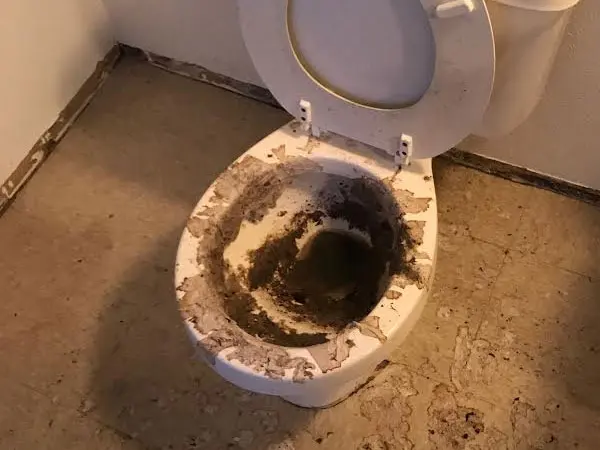
On January 10, 2025, a Moulton Niguel Water District sewer force main failed inside Laguna Niguel Regional Park, and about 464,700 gallons of untreated sewage entered Sulphur Creek. That was a public pipe release into a park and a creek. It was not a sewage backup in anyone's home, and the two problems call for different responses.
Key takeaways
- The January 10, 2025 spill came from a failed district sewer force main inside the regional park. It was not a backup into homes.
- The district estimates that about 464,700 gallons entered Sulphur Creek and flowed toward Aliso Creek and Aliso Beach before an emergency repair stopped the spill.
- A home backup is sewage rising from a toilet, tub or floor drain inside a building, and it is cleaned as Category 3 water.
- OC Parks says the district's Regional Force Main Replacement Project inside the park is underway through Spring 2027.
- After a real backup, porous materials that touched sewage are usually removed, and hard surfaces are cleaned and treated before drying.
What happened at the park
Moulton Niguel Water District provides water and sewer service to the city. Its sewer system includes a Regional Lift Station and a Regional Treatment Plant, joined by a force main.
On January 10, 2025, that force main failed inside Laguna Niguel Regional Park. The district estimates that about 464,700 gallons of untreated sewage entered Sulphur Creek and flowed toward Aliso Creek and Aliso Beach.
An emergency repair stopped the spill. Sulphur Creek flows through the city and joins Aliso Creek, which runs through Aliso Canyon and reaches the Pacific Ocean at Aliso Beach.
Why a public release is not a home backup
A force main fails at the break
A force main is a pressurized public pipe that pushes sewage from one facility to the next. When it fails, the sewage escapes where the pipe breaks, which in this case was a park and a creek.
A backup rises inside the building
A backup works the other way around. Sewage that cannot leave a building through its drain pipe rises through the lowest opening it can find: a floor drain, a tub, a shower or a toilet.
Keeping the two apart
The January 2025 release was a public pipe failure into a park and a creek, not a backup into houses. A homeowner with sewage on a bathroom floor has a different problem, with a different fix and the kind of cleanup described under sewage backup cleanup.
Grease, wipes sold as flushable and tree roots are common causes of stoppages in any building. None of them has anything to do with a pipe in a park.
Signs that sewage is coming up inside a house
A true backup tends to announce itself before sewage reaches the floor.
- Slow drains: more than one fixture drains slowly at the same time.
- Gurgling: a toilet or tub bubbles when the washer or a sink drains.
- Lowest drain first: water or sewage appears at a floor drain, a ground-floor tub or a shower.
- Odor: a sewage smell in a bathroom, laundry room or garage with no clear source.
- Toilet trouble: a toilet that will not flush, or one that rises when another fixture is used.
First moves when sewage reaches the floor
Sewage water is Category 3, which means it can carry bacteria and other contaminants. The first moves are about safety and about keeping the problem from spreading.
- Stop the water: no flushing, laundry or dishwasher use until the stoppage is cleared.
- Clear the area: keep people and pets out of the wet rooms, and keep children away from the water.
- Power: switch off the breakers for wet rooms from a dry spot.
- Plumber: a plumber finds and clears the stoppage, while the restoration team handles the sewage that already reached the floor.
- Shoes: change out of shoes and clothes that touched the water before walking through clean rooms.
- Photos: photograph the water and the damage before cleanup begins.
How the water categories separate the cases
Restoration crews sort water by how contaminated it is, using the categories in the IICRC S500 standard. The category decides how much has to be removed and how the work area is protected.
- Category 1: clean water from a supply pipe, a tap or ice maker tubing.
- Category 2: gray water with some contamination, such as washer or dishwasher discharge.
- Category 3: grossly contaminated water, including sewage from a toilet or drain backup.
- Time: clean water that sits for days can slide into a higher category, which is why speed matters even for a simple leak.
How a sewage backup is cleaned
The work follows one logic: contain it, remove what cannot be cleaned, treat what can and dry the rest, as laid out for sewage backup cleanup in Aliso Viejo.
Contain and extract
The work area is sealed with plastic sheeting so contamination does not travel through the house. Wet vacuums then pull the standing water, and water extraction continues until the floor is no longer visibly wet.
Remove what cannot be cleaned
Carpet, pad, insulation and drywall that soaked up sewage are cut out and bagged. Porous materials hold contamination that cleaning cannot reach, which is why they are removed instead of washed.
Clean, treat and dry
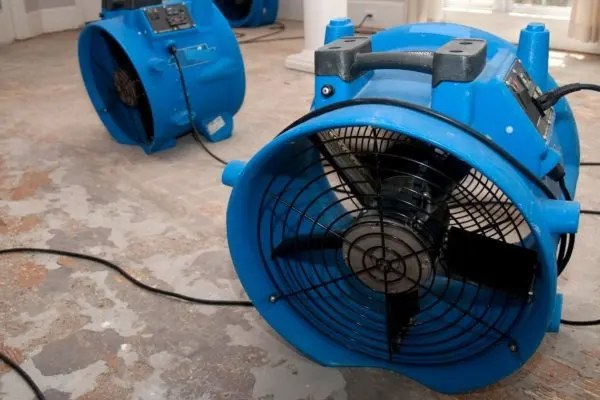
Hard surfaces are cleaned and then treated with an antimicrobial. HEPA air scrubbers run in the work area, and air movers and dehumidifiers dry the structure to a reading.
Questions worth asking the crew
A homeowner can ask three plain questions: which materials will come out, how the work area will be contained and which readings will end the job. A crew that works to the S500 standard can explain all three before work starts.
Following the force main project
OC Parks says the district's Regional Force Main Replacement Project inside Laguna Niguel Regional Park is underway through Spring 2027. The park covers 227 acres around a 44-acre lake, and the work sits inside it.
Questions about the park, the creek or the repair work are best taken to the district and OC Parks, the two sources named above. For a wet floor inside a house, local water damage restoration is the service that applies.
Questions
Did the January 2025 sewage spill back up into Laguna Niguel homes?
No. It was a release from a public force main inside the regional park into Sulphur Creek, not a backup into houses.
What category of water is sewage?
Category 3, the most contaminated class. It can carry bacteria and other pathogens, so the area is contained and porous materials that touched it are usually removed.
Can carpet be saved after a sewage backup?
Carpet and pad that soaked up sewage are usually removed, because cleaning does not reach the contamination in porous materials. Hard surfaces can often be cleaned and treated.
Is a slow tub or toilet drain an early sign of a backup?
It can be. Slow drains at more than one fixture, gurgling and a toilet that rises when the washer drains all point to a stoppage worth clearing before it overflows.
How long does drying take after a sewage cleanup?
The cleanup and removal come first. Drying then commonly takes several days and ends when moisture readings match a dry reference.
When is a sewage backup an emergency?
Any time sewage reaches the floor or a fixture rises, because Category 3 water can carry bacteria and porous materials begin absorbing it right away.